What Happens When a Dental X-Ray Manufacturer Stops Supporting Your Machine?
Understanding End-of-Life Imaging Equipment Before It Becomes an Emergency
Your dental X-ray machine still works.

Posts about:
%20(80)-1.png)
Your dental X-ray machine still works.
%20(79)-1.png)
By Jonathan Graf, Director of Purchasing, Renew Digital
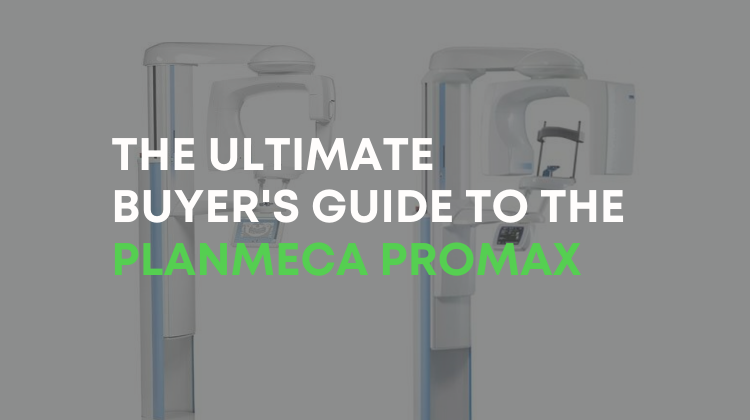
Over the past decade that we’ve been in business, we’ve worked extensively with the majority of the leading dental imaging manufacturers. We’ve also worked very closely with thousands of dental and dental specialty practices across the country and have developed a thorough understanding of their clinical and workflow needs.
%20(46)-1.png)
Purchasing a dental CBCT or digital X-ray system is a significant investment, and timing your purchase strategically can save your practice thousands of dollars. Whether you're launching a new office, expanding, or upgrading your imaging capabilities, understanding seasonal trends, tax advantages, and inventory cycles can help you make the smartest move.
%20(78)-1.png)
Dental imaging technology is built to last.
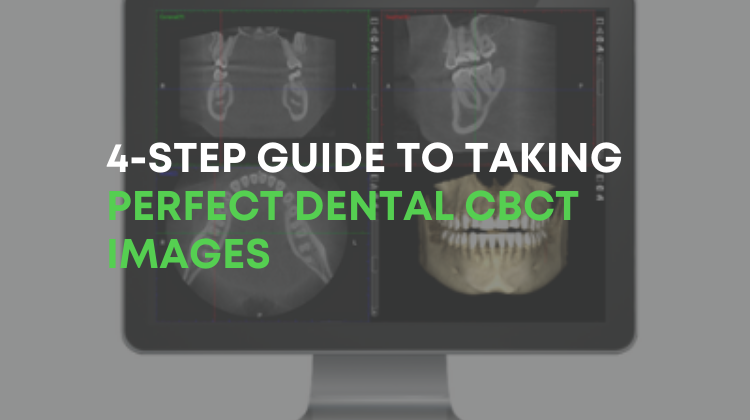
At Renew Digital, we understand that purchasing a certified pre-owned dental CBCT machine is a significant investment for your dental practice. However, it’s one you willingly undertook to receive sharp, clear, three-dimensional images to help you make the best possible treatment decisions for your patients. Here are four recommended steps obtaining the most accurate images using a cone beam system.
%20(77)-2.png)
One of the first specifications you'll notice when shopping for a CBCT system is field of view (FOV).
%20(76)-1.png)
Purchasing dental imaging equipment is one of the largest financial decisions most practices will make.
%20(75)-1.png)
Shopping for a cone beam CT (CBCT) system can feel overwhelming.
%20(74)-1.png)
If you've started researching cone beam CT (CBCT) systems, you've probably noticed something frustrating.
-1.png?width=45&name=Untitled%20design%20(35)-1.png)
.png?width=45&name=Voxel%20Bios%20(20).png)

